Engineering Fairness: The Development Process of Random Outcome Generators for Wheel-Based Games
Casey Walter · Aug 24, 2026
Engineering Fairness: The Development Process of Random Outcome Generators for Wheel-Based Games
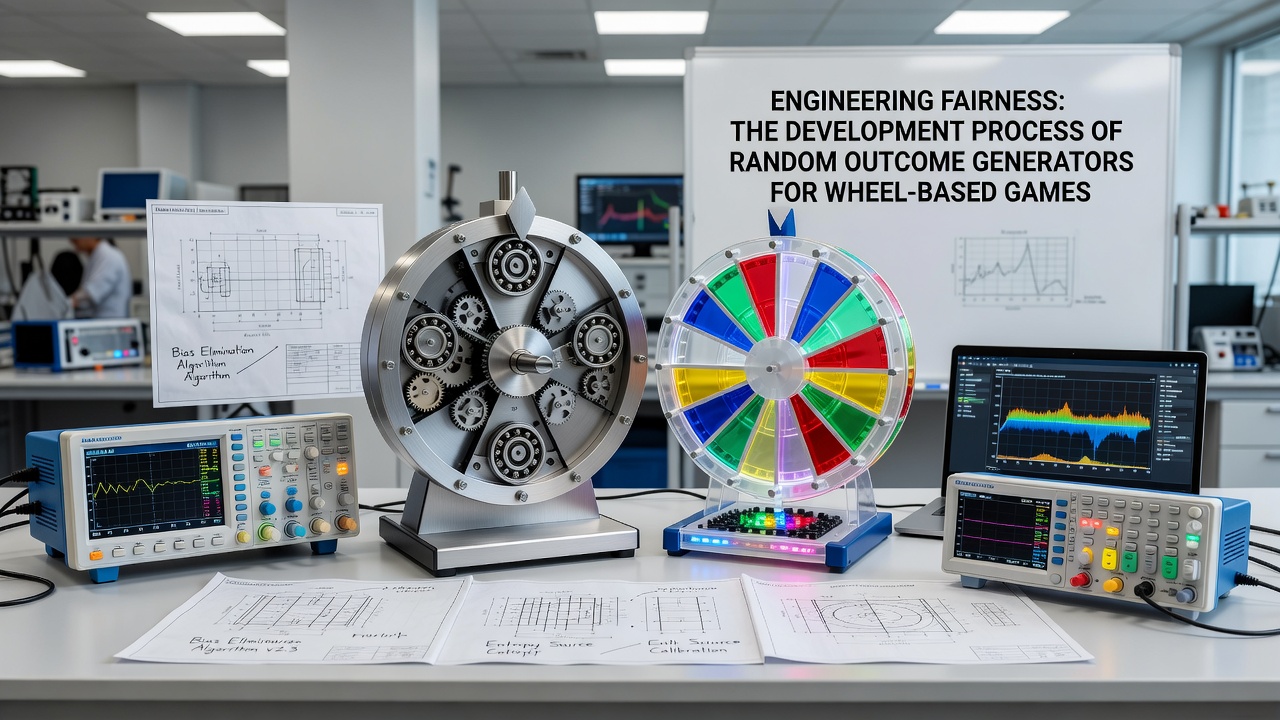
Wheel-based games rely on random outcome generators to produce results that remain unpredictable and evenly distributed across possible outcomes, and engineers build these systems through a sequence of defined technical steps that begin with algorithm selection and extend through hardware integration and regulatory review. Developers examine both pseudorandom number generators that use mathematical formulas and true random number generators that harvest physical entropy from sources such as thermal noise or quantum fluctuations, while they evaluate each approach against criteria that include speed, repeatability under testing conditions, and resistance to pattern detection.
Algorithm Selection and Initial Design
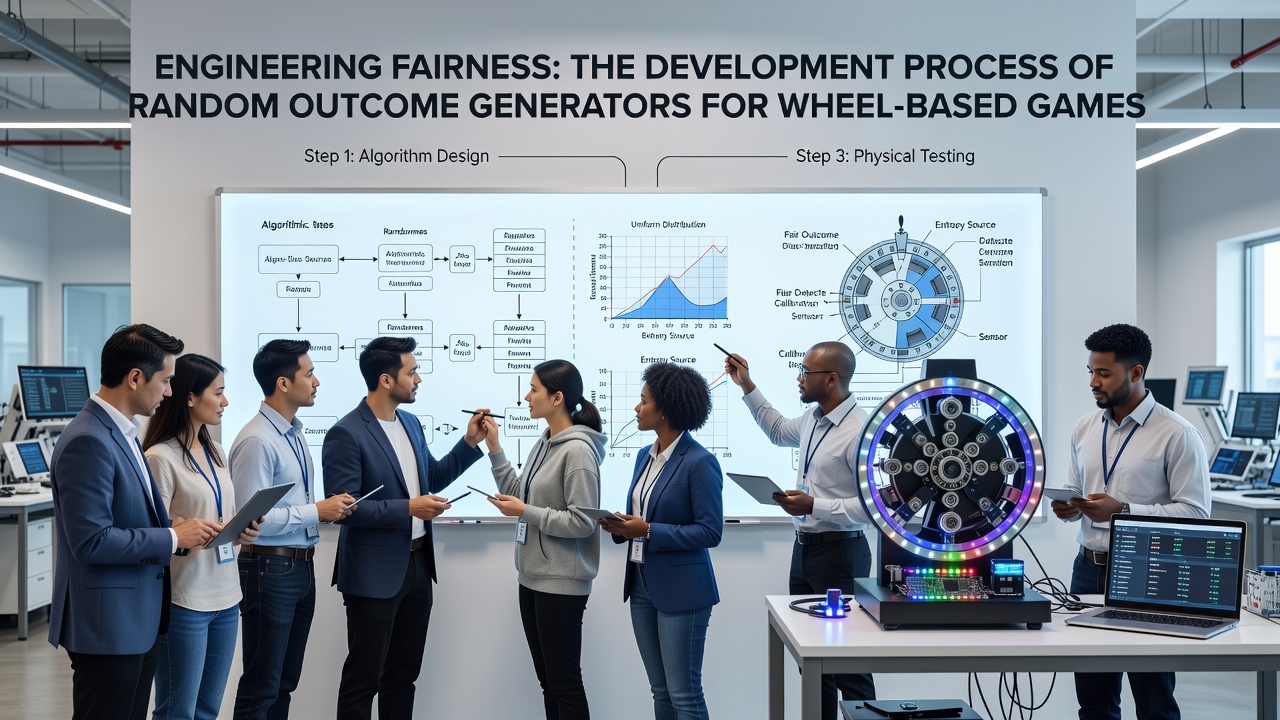
Teams begin by choosing algorithms that satisfy statistical randomness tests established by organizations such as the National Institute of Standards and Technology, and they compare linear congruential generators against more complex methods like Mersenne Twister or cryptographic hash-based functions because each offers different trade-offs in period length and computational overhead. Engineers document the chosen algorithm in detailed specifications that list seed generation procedures, output formatting rules, and mapping mechanisms that translate numeric values into wheel positions or segment results, and they record every decision so later audits can trace the exact logic applied during each game cycle.
Hardware Integration and Entropy Sources
After the software foundation is complete, specialists integrate hardware modules that supply genuine entropy when regulatory frameworks require true randomness rather than deterministic sequences, and they connect sensors to dedicated circuits that sample environmental variables at high frequency while shielding the collection process from external interference. These modules feed raw data into post-processing stages that remove bias through techniques such as von Neumann extraction or hash conditioning, and the resulting bit streams undergo immediate statistical checks before they reach the game server that controls wheel simulations or physical wheel releases in hybrid setups.
Testing Protocols and Statistical Validation
Validation proceeds through multiple layers that include dieharder test suites, NIST SP 800-22 batteries, and custom wheel-specific evaluations that measure distribution uniformity across thousands of simulated spins, and laboratories run these sequences under controlled conditions that replicate live network latency and concurrent player loads. Observers note that any deviation beyond predefined thresholds triggers a return to the design phase, while successful runs produce certification reports that list exact test parameters, hardware serial numbers, and software version identifiers. Data from these trials also informs ongoing monitoring schedules that operators must follow once equipment reaches production environments.
Certification Pathways and Regulatory Alignment
Manufacturers submit complete documentation packages to independent testing laboratories accredited in jurisdictions such as Nevada and several Australian states, and these laboratories replicate the original validation process under their own protocols before issuing formal compliance statements. According to the Nevada Gaming Control Board guidelines, each generator must demonstrate that no player or operator can influence outcomes through accessible interfaces, and periodic re-testing occurs at intervals defined by local statutes. Engineers maintain version control systems that log every firmware update or parameter change so regulators can verify continued adherence to approved configurations.
Deployment Monitoring and Continuous Improvement
Once generators enter commercial service, operators collect live performance metrics that include outcome frequency logs and hardware health indicators, and they forward aggregated data to oversight bodies on schedules established by regional authorities. Research indicates that anomalies detected during this phase often trace back to environmental factors such as temperature drift in entropy sources or memory corruption in high-throughput servers, prompting targeted firmware revisions that restore statistical integrity without altering game mathematics. Industry reports from sources including the Australian Gambling Research Centre document how these feedback loops have reduced variance drift incidents across multi-site deployments in recent years.
Conclusion
The engineering of random outcome generators for wheel-based games follows a structured progression that combines algorithmic rigor, hardware reliability, and independent verification to maintain outcome integrity across diverse operational settings, and each stage builds upon documented evidence rather than assumption. Ongoing advancements in entropy collection methods and statistical testing continue to refine these processes, ensuring that deployed systems meet the technical standards required by multiple regulatory frameworks worldwide.