Player Retention Metrics Tied to Variant Selection in Regulated Digital Wheel Environments
Yara Brooks · Oct 4, 2026

Player Retention Metrics Tied to Variant Selection in Regulated Digital Wheel Environments
Regulated digital wheel environments encompass online platforms offering variants of roulette and similar games where outcomes rely on random number generators or live dealer streams, and operators track retention through metrics such as return visit frequency, average session duration, and churn rates over defined periods. Variant selection refers to the range of game options presented to users, including differences in wheel configurations, betting limits, and rule sets that affect house edge and gameplay pace, while data from multiple jurisdictions shows measurable connections between the diversity of these options and sustained player engagement.
Core Metrics in Retention Analysis
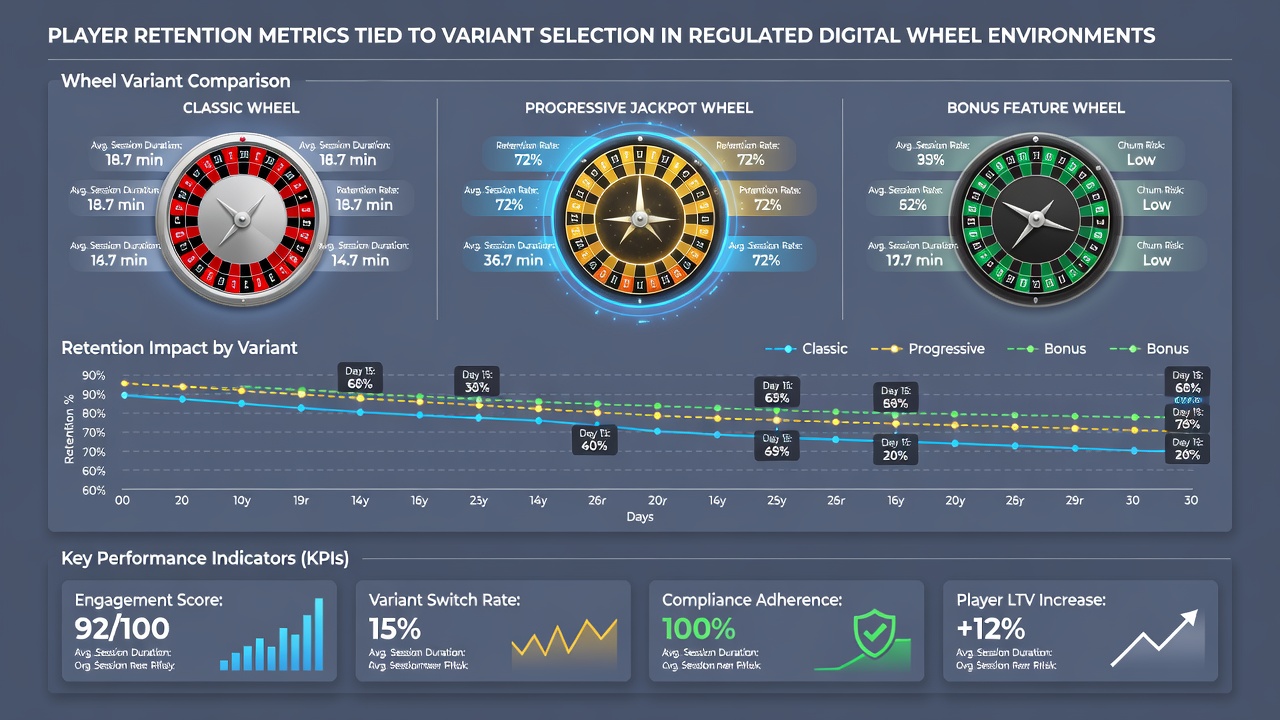
Operators monitor player retention through standardized indicators that include the percentage of users returning within thirty days, the number of active sessions per account over quarterly intervals, and lifetime value calculations derived from deposit patterns combined with play frequency. Studies from academic institutions have documented that platforms providing at least four distinct wheel variants maintain higher repeat engagement levels compared with those limited to one or two formats, because players encounter fresh mechanics that align with individual preferences for speed, risk profile, or thematic presentation. Figures released by the Alcohol and Gaming Commission of Ontario in late 2025 revealed that accounts accessing multiple variants recorded a 22 percent increase in monthly active days relative to single-variant users, a pattern that persisted into October 2026 when updated compliance reports confirmed similar trends across licensed operators.
Variant Types and Their Documented Impact
Digital wheel variants typically fall into categories differentiated by wheel size, zero count, and payout structures, with European-style wheels featuring one zero, American configurations incorporating two zeros, and French layouts offering additional rules such as en prison or la partage that modify effective house edge. Research indicates that players who switch between these formats during a single account lifecycle demonstrate extended play intervals, since the option to alternate reduces monotony while allowing adjustment to preferred volatility levels. One analysis of transaction logs from regulated markets found that users selecting three or more variants within a month averaged 14 percent longer sessions than those remaining with a single choice, because the variety supports different strategic approaches without requiring account migration to another platform.
Regulatory Frameworks Shaping Data Collection
Regulators in various regions mandate transparent reporting of retention statistics tied to game offerings, requiring operators to segment data by variant exposure and player cohort. The Nevada Gaming Control Board publishes quarterly summaries that break down engagement metrics across digital table games, showing consistent correlations between variant availability and account longevity in markets where licensing demands detailed player behavior disclosures. Similar requirements appear in Canadian provincial frameworks and certain European licensing regimes, where operators must demonstrate that game libraries support responsible participation patterns through measurable retention indicators rather than rapid churn. These rules create standardized datasets that allow cross-jurisdictional comparison, revealing that environments with broader variant menus sustain higher percentages of accounts remaining active beyond the initial ninety-day window.
Integration of Live and RNG Formats
Many regulated platforms combine RNG-driven wheel simulations with live dealer streams, and retention data shows that accounts utilizing both formats within the same period exhibit stronger loyalty signals. Live variants introduce elements of real-time interaction and variable pacing that complement the consistent speed of automated versions, creating a hybrid experience that data analysts associate with reduced dropout rates. Observers note that players who begin with RNG wheels often migrate toward live options when available, and those who access both maintain higher deposit consistency over six-month tracking periods according to aggregated reports from licensed operators. This combination appears particularly effective in jurisdictions that require clear separation between automated and streamed content to ensure regulatory compliance while still permitting seamless user navigation.
Segmentation by Player Behavior Patterns
Retention metrics improve when operators segment audiences according to observed variant preferences, allowing targeted presentation of new options that match established play styles. High-frequency users tend to favor faster variants with lower minimum bets, whereas those with longer session times gravitate toward layouts offering rule modifications that extend decision windows. Evidence from industry research groups indicates that platforms implementing dynamic variant recommendations based on early play history achieve measurable lifts in thirty-day return rates, because the suggestions reduce friction in discovering suitable formats. These approaches rely on anonymized behavioral datasets collected under strict data protection standards required by licensing authorities, ensuring that retention improvements stem from informed option presentation rather than unrestricted expansion of game libraries.
Conclusion
Player retention in regulated digital wheel environments connects directly to the strategic selection and presentation of game variants, as demonstrated by segmented metrics collected across multiple licensing jurisdictions. Data from sources such as the Nevada Gaming Control Board and provincial Canadian regulators illustrate that broader variant availability correlates with extended account activity and higher repeat engagement figures. As reporting standards evolve through October 2026 and beyond, operators continue to refine variant menus using these objective indicators to support sustained participation within compliant frameworks.