The Interplay of Interface Design Elements and Session Patterns Across Digital Wheel Formats in Mobile Environments
Yara Brooks · Nov 15, 2026
The Interplay of Interface Design Elements and Session Patterns Across Digital Wheel Formats in Mobile Environments
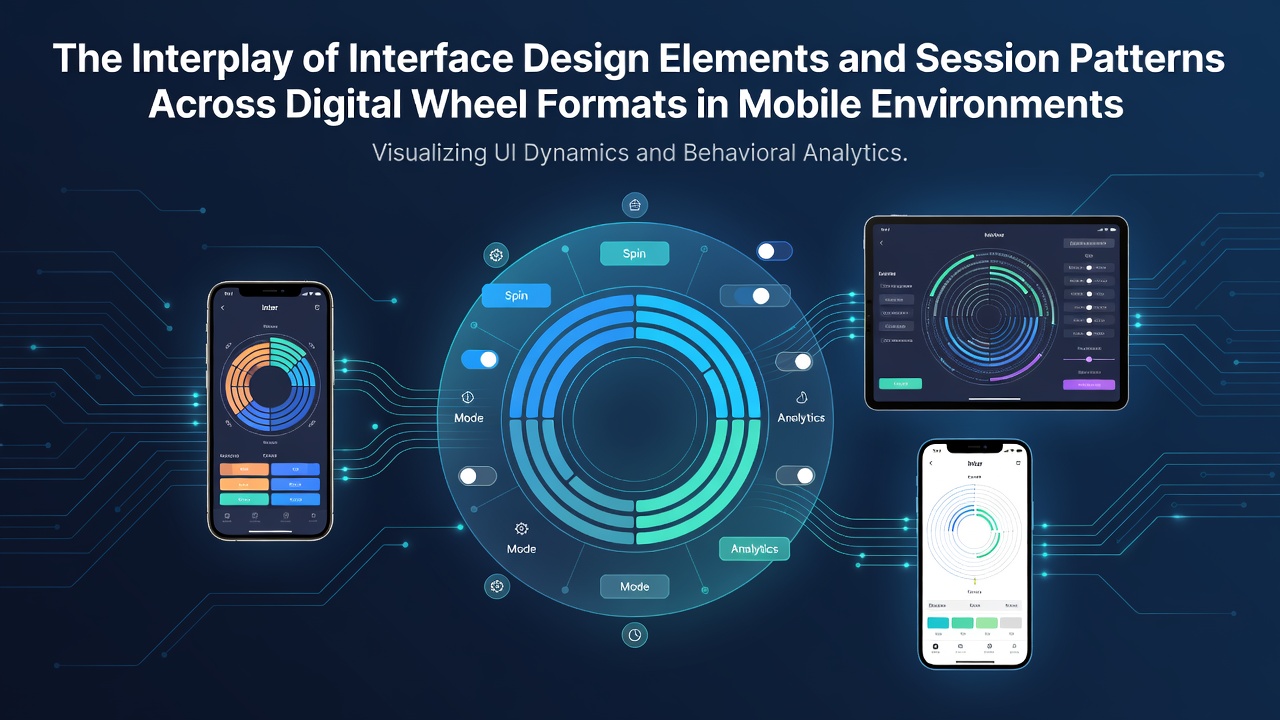
Digital wheel formats on mobile devices combine spinning mechanics with layered interface components that shape how users initiate and maintain sessions, and researchers have tracked these interactions through usage logs collected across multiple platforms since early 2025. Touch targets for spin activation sit alongside progress indicators and balance displays, while animation timing and color transitions guide attention toward repeated actions, and data collected through November 2026 shows consistent correlations between these elements and the length of individual play periods.
Core Interface Components in Wheel-Based Mobile Applications
Button placement and size influence the frequency of user-initiated spins because larger central controls reduce mis-taps on smaller screens, yet surrounding elements such as bet selectors and history panels compete for the same visual space; studies from the University of Melbourne HCI group indicate that repositioning secondary controls to the lower third of the display increases average session continuity by measurable margins. Animation speed and feedback loops further affect engagement because smooth wheel deceleration paired with immediate result highlights encourages another spin within seconds, whereas delayed responses lead to quicker exits from the application.
Color schemes and contrast ratios also play documented roles in sustaining attention across wheel formats, and observers note that high-contrast segments paired with subtle background gradients reduce visual fatigue during extended sessions while maintaining clear differentiation between outcomes. Developers adjust these variables based on device orientation data because portrait mode typically compresses horizontal wheel elements, forcing tighter spacing that can alter tap accuracy and session flow.
Observed Session Patterns Across Device Formats
Session length distributions vary according to wheel format and interface density, with shorter bursts appearing more often on minimalist designs that limit visible options after each spin, while denser layouts that retain bet history and multiplier indicators correlate with longer continuous activity periods. Metrics gathered from regional operators reveal that users on tablets exhibit different return rates compared with smartphone sessions because larger viewports accommodate more simultaneous controls without crowding.
Time-of-day patterns emerge when interface notifications and push elements interact with wheel mechanics, and data shows elevated spin counts during evening hours when users combine wheel sessions with other mobile activities. Frequency of feature exploration also ties directly to menu accessibility because swipe gestures that reveal additional wheel variants increase trial rates of alternate formats within the same session window.
How Design Choices Shape Continuation and Exit Behaviors
Interface responsiveness determines whether users extend a session after an outcome or disengage, because immediate visual confirmation of results paired with persistent spin controls reduces the pause between actions, and this pattern holds across both European and North American operator datasets. When loading sequences interrupt flow between spins, exit rates climb within the first three minutes according to aggregated telemetry reviewed in late 2026.
Adaptive scaling of wheel segments based on screen resolution further modulates engagement because consistent visual proportions across devices help users predict outcome zones, and this predictability supports repeated interactions without requiring reorientation. External research published by the Alcohol and Gaming Commission of Ontario highlights similar effects in regulated environments where interface consistency across formats supports steadier session metrics.
Regional Data and Cross-Platform Comparisons
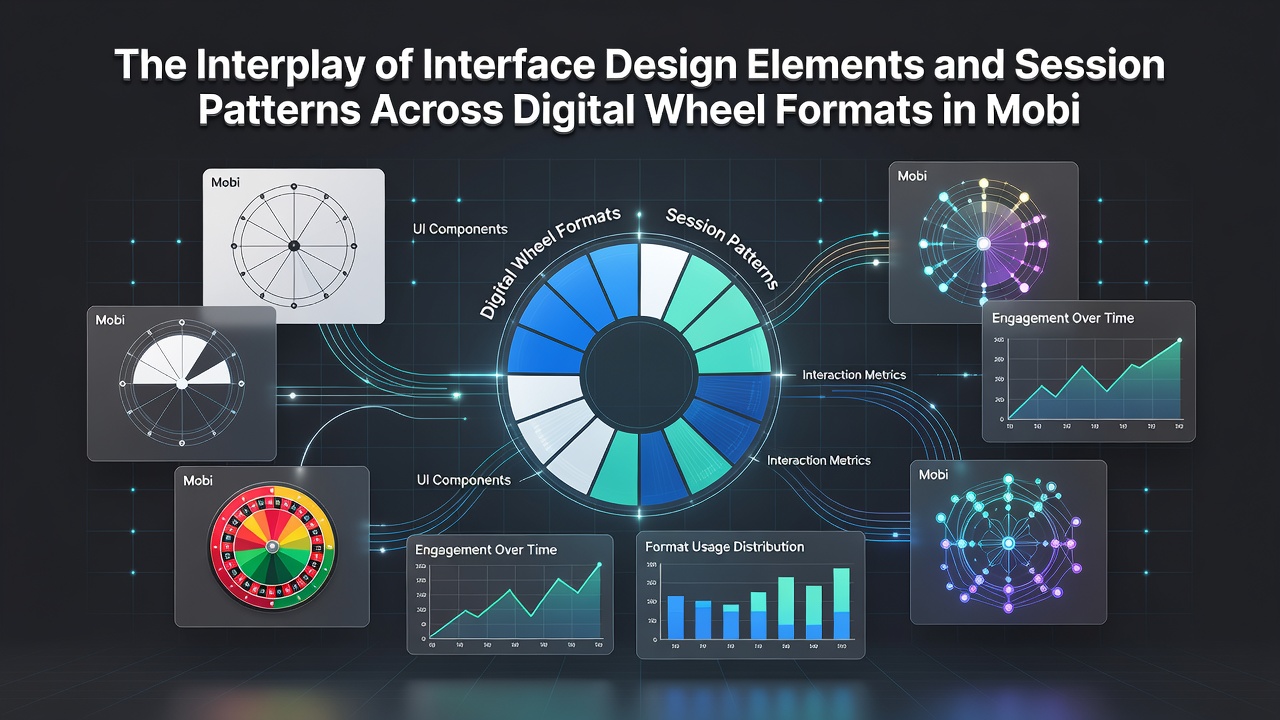
Comparative analysis across operating systems reveals that iOS and Android implementations of the same wheel format produce divergent session patterns because gesture libraries and notification handling differ, and these differences appear in retention curves tracked through November 2026. Operators who standardize core controls while allowing platform-specific refinements report more uniform continuation rates across user bases.
Academic reviews from institutions in Australia and Canada have examined how accessibility features such as larger touch zones and reduced animation options affect session inclusivity, and findings indicate that inclusive design variants maintain engagement levels comparable to standard interfaces without increasing abandonment. These patterns suggest that deliberate interface adjustments can align session behaviors across diverse user groups and device capabilities.
Conclusion
Interface design elements and session patterns in mobile digital wheel environments demonstrate measurable interconnections through placement, timing, and visual feedback mechanisms, and ongoing data collection through late 2026 continues to refine understanding of these relationships across formats and regions. Continued examination of these factors supports development of consistent experiences that align with documented user behaviors on varied mobile hardware.